Anúncios
Putting on a VR headset feels a bit like stepping into another dimension, with new sights, movements, and possibilities everywhere you look. Immersive technologies, especially virtual reality and gaming, have grown from science fiction visions into tools we can experience right at home. Their influence is quietly transforming entertainment and how we interact socially, physically, and emotionally.
The appeal of virtual reality and gaming isn’t just about high-tech thrills—it’s about the practical ways these experiences pull us into more believable digital spaces. That ability to blur the lines between real and virtual means there’s much more at stake than just the fun of exploring imaginary worlds. These tools can genuinely shape learning, connection, and creativity.
This article explores concrete ways virtual reality and gaming are changing immersion, what those shifts mean for users and creators, and where the technology will likely go next. Whether you’re a gamer, developer, educator, or just curious, the following insights show you what deep immersion looks and feels like today—and tomorrow.
Experiencing a New Kind of Presence in Virtual Worlds
When you enter a virtual world, new rules of interaction and perception take over. You’ll learn exactly how digital spaces become believable and even emotionally resonant with only a headset and controllers.
Virtual reality and gaming bring a player’s physical movements and gestures into digital form, turning environments into responsive, interactive playgrounds. The brain quickly adapts, making digital objects and avatars feel present and substantial.
Embodied Movement Turns Play into Experience
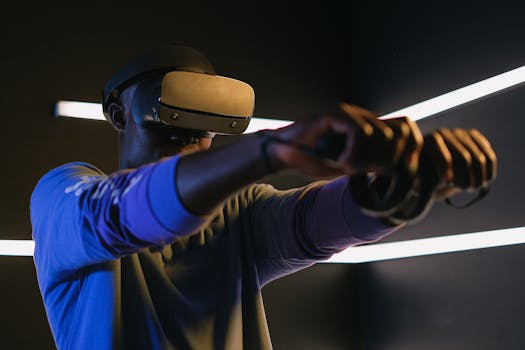
Waving your hand in VR—and seeing a virtual hand move in sync—triggers a sense of agency that traditional gaming can’t duplicate. Instead of pressing a button, you open a door by reaching for it. That physicality is key.
Players quickly notice how objects respond to their proximity or actions. For instance, the haptic feedback of a VR controller mimics touch, while the audio shifts as you move your head in a digital room, creating realistic cues.
One analog to this immersion is acting out a role at a costume party—the more you embrace the new identity and environment, the more convincing it feels. For VR users, willingness to play along deepens presence.
Social Presence Enhances Reality in Shared Spaces
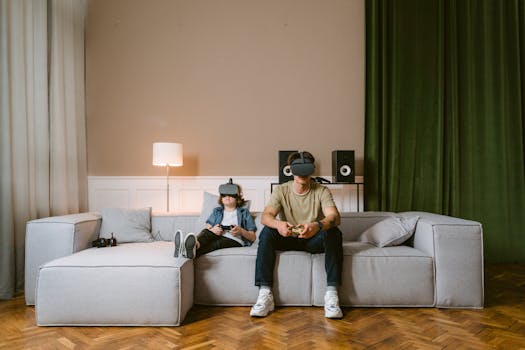
Multi-user virtual reality and gaming worlds let people inhabit digital spaces together. You can turn to a friend’s avatar, gesture as you talk, or notice subtle facial expressions thanks to tracking technology.
This shared presence means users can cooperate, compete, or just hang out—much like gathering in a real room, with extra layers of creativity through costume, voice, and environment.
For example, in a VR art session, collaborators sketch together in the air, passing virtual brushes and commenting in real time. That direct interaction builds relationships and creates truly memorable shared experiences.
| Device/Platform | Interaction Type | Level of Immersion | Best Use Case | User Takeaway |
|---|---|---|---|---|
| Oculus Quest 2 | Room-scale movement | High | Casual gaming | Start with all-in-one kits for quick, untethered play |
| Valve Index | Precision hand tracking | Very High | Advanced simulation | Experiment with positioning for maximum control |
| PlayStation VR2 | Eye tracking, haptics | Medium-High | Story-driven games | Focus on narrative-rich titles to feel story immersion |
| HTC Vive Pro | Room-scale + wireless | High | VR collaboration | Use open spaces for comfortable group sessions |
| Desktop PC with VR headset | Wired, multi-app | Medium | Creative tools | Test various apps to find your ideal creative workflow |
Creating Deeper Engagement with Realistic Worlds
Detailed environments in virtual reality and gaming encourage users to explore, learn, and adapt naturally. You’ll discover how world design techniques make digital locations feel familiar, surprising, or strategically challenging.
Developers use lighting, texture, and environmental sound to anchor users in believable spaces. This approach leverages sensory information to trick the brain into treating virtual settings as if they’re real, prompting authentic emotional reactions.
Designing Worlds That Pull Players In
To deepen immersion, game designers map out how environments change in response to time, weather, or player actions. Doors creak open, lights dim with the sunset, and digital rain taps on windows when you walk by.
- Check lighting cues for time of day shifts, which create believable rhythms; try pausing gameplay to observe these transitions for a more realistic feel.
- Listen for ambient sounds like distant conversations, wind, or footsteps, as their directionality helps with spatial awareness and enhances a sense of place.
- Test interactable objects: pick up, throw, or examine them closely to enjoy tactile feedback and a sense of agency in the game world.
- Use environmental storytelling; look for scattered clues in decor or hidden notes—these add depth and invite exploration at your own pace.
- Try adjusting room scale or play area boundaries to see how more space alters your sense of freedom and immersion within the digital environment.
The more authentic these cues are, the stronger the player’s belief in the world. It’s a design strategy that translates across genres—from horror to puzzle to social simulation.
Reward Structures and Feedback Loops
Games in virtual reality use real-time feedback—sounds, visuals, haptics—to reward actions and mark progress. When you complete a task, you feel vibration, hear a chime, or watch a virtual character respond in friendly ways.
- Celebrate small wins with in-game achievements; receiving quick positive responses keeps you motivated during tough challenges and reinforces learning.
- Track progress through on-screen meters or subtle environmental cues, like unlocking new paths as you master skills, which signals growth in a natural, unintrusive way.
- Respond to mistakes with corrective hints: if you drop an item or miss a step, look for visual indicators pointing you back on track without breaking immersion.
- Interact with virtual characters who offer support or banter, making your journey feel more socially rich and dynamic, not just task-driven.
- Encourage learning curves with escalating goals, so early challenges feel achievable and longer-term mastery remains exciting, ensuring continued engagement with each session.
Feedback loops guide your learning and keep you coming back for more. They’re essential for both short play sessions and marathon gaming nights.
Expanding Accessibility to More Players
Making virtual reality and gaming accessible means more people can experience total immersion. You’ll see strategies that help overcome physical, financial, and technical barriers without sacrificing engagement or fun.
Game designers are building customizable controls, visual options, and community support tools so a wider audience finds comfort and enjoyment in the medium.
Adaptive Hardware Makes Entry Easier
Specialized controllers, like adaptive gamepads or hands-free inputs, lower the barrier for players with limited mobility. For example, foot pedals or voice commands make action-based gameplay possible when standard controllers don’t fit.
Adjustable headsets, lighter weight components, and prescription lens adapters extend VR sessions and reduce discomfort, making long-term engagement viable for many more users. Kids and adults with glasses can jump in with minimal setup.
Analogous to customizing a car seat before driving, personalizing hardware ensures a good fit. If your hands tire—try controller grips or swap to tracked gloves for comfort. Adjust until the tech “disappears” into the background.
Customizable Experiences Open More Doors
Virtual reality and gaming menus now offer extensive accessibility tools—colorblind modes, audio captions, and font adjustments among them. Users get step-by-step onboarding to set preferences for optimal comfort and comprehension.
Community-driven support forums share personalized mods or control scripts. Someone with one hand, for example, can use alternate mappings, gaining full play functionality after checking a crowd-sourced guide or sharing their own solution.
It’s like curating a playlist to suit your tastes. Tweaking every detail, you’d find yourself more at home and likely to spend time learning the game’s nuances, confident nothing is out of reach.
Blurring Lines Between Work, Play, and Social Life
Virtual reality and gaming aren’t confined to leisure: they’re rapidly merging with remote work, collaborative creativity, and social gatherings. You’ll see how immersive tools encourage new habits for productivity and connection.
Instead of video calls, meetings or creative brainstorms occur in 3D collaborative apps. Users gather around virtual tables, sharing digital objects as if passing sketches or notes in the real world.
Virtual Workspaces Become Routine
Teams use VR offices to review 3D models or discuss project timelines with spatial whiteboards. One person gestures toward a specific diagram while others nod, mark-up, or brainstorm ideas with a sense of physical presence.
Some offices host quick, avatar-led standup meetings. Workers feel engaged, with real eye contact and body language cues replacing flat, 2D screens. Teams report faster bonding and clearer communication than with traditional calls alone.
Setting up your own VR workspace can be as simple as picking a free platform, customizing your virtual room, and inviting colleagues to join for regular check-ins or project demos.
New Social Rituals in Virtual Gathering Spaces
From virtual concerts to trivia nights, social gaming and VR events let friends share hobbies, adventures, or live music from home. Virtual clubs host open-mic comedy, with audience members laughing, waving, or clapping in digital space.
Birthday parties, reunions, and language exchanges find new energy with VR. These all let guests decorate rooms, change avatars, and experiment with digital photo booths for lasting, joyful memories.
Choosing a platform with easy access and privacy controls—like invite-only lobbies and real-time muting—ensures your social experience stays comfortable and inclusive for all invitees.
Transforming Learning and Training with Immersive Methods
Virtual reality and gaming provide teachers, students, and professionals with environments where safe practice and active discovery replace passive consumption. You’ll learn how immersive tools help people absorb new information and build hands-on skills.
Simulations foster realistic experiences—whether it’s emergency medical training, virtual field trips, or coding puzzles. VR headsets and interactive scenarios make difficult tasks more approachable, memorable, and scalable.
Bringing Abstract Concepts to Life
Imagine a biology class where students shrink to cell-size, navigating the body from the inside. With VR modules, abstract ideas become vivid, helping learners associate spatial and visual cues with complex processes.
Language learners use virtual cityscapes for conversational practice, moving between markets, restaurants, and offices to mimic real travel and social negotiation. Frequent repetition in realistic contexts accelerates retention far beyond drills or flashcards.
For hands-on careers like surgery or engineering, practicing in simulated environments reduces risk while enabling direct feedback. Students gain confidence and muscle memory before ever facing real-world stakes.
Professional Upskilling and Job Simulation
Airline staff, firefighters, and medical teams rehearse emergencies in VR. Virtual reality and gaming allow them to repeat rare scenarios until they’re second nature, spotting details and practicing teamwork.
Salespeople practice negotiation or customer service with virtual “clients.” They try out new approaches, see instant responses, and build instincts that transfer directly to real interactions, improving results on the job.
Choose platforms tailored to your discipline. Many offer scenario customizers—set up specific hazards, patient profiles, or negotiation cases—so you can tune practice to match real work challenges going forward.
Anticipating the Next Generation of Virtual Immersion
Continuous upgrades make virtual reality and gaming even more lifelike, seamless, and adaptive. You’ll see new ways sensors, AI, and cloud connectivity shape how immersive content is created, delivered, and personalized.
Developers continue pushing realism with more precise motion tracking, facial expression capture, and predictive AI-controlled environments. Each advance means your actions and preferences result in unique, responsive worlds every session.
Personalized Worlds React to Every Player
Machine learning tools analyze your choices, habits, and style, gradually fine-tuning experiences: the game can offer challenges, learning modules, or aesthetic tweaks that evolve as you play, much like streaming platforms refine recommendations.
Some VR games create procedural narratives, where major events unfold based on your accumulated actions. The world’s rules, allies, and even music shift dynamically, making every playthrough feel handcrafted for you.
Enabling personalization in settings—turning on adaptive difficulty, dynamic story elements, or VR comfort features—lets each player steer their own experience while exploring everything virtual reality and gaming have to offer.
Wider Integration with Everyday Technology
As VR gear becomes lighter and more affordable, integration with smartphones, smart TVs, and wearable tech blurs the boundaries between everyday life and digital immersion. You might move seamlessly from mobile notifications to a full-spatial VR call on your lunch break.
Workflows for creative professionals become hybrid: sculpting art with VR headsets, then switching to desktop editing within seconds. This flexibility opens up professional applications far beyond entertainment or education alone.
Consider upgrading or mixing gear for your own needs; try wireless adapters or cloud-based VR delivery for maximum convenience and minimal setup time, so immersion fits naturally into your daily rhythms.
Total Immersion’s Impact on the Future of Play
We’ve seen virtual reality and gaming evolve into deeply immersive tools for entertainment, learning, working, and connecting. What began as a high-tech curiosity now delivers practical, joyful, and empowering digital experiences for users everywhere.
The continuing expansion of accessibility, personalization, and realism means a constantly growing community of users will encounter new reasons to participate. Each technological leap transforms how we play and interact in virtual worlds.
As virtual reality and gaming blur the edges between the digital and the tangible, our sense of “real” will keep broadening. The future promises even richer immersion—inviting everyone to discover, create, and shape the worlds they most want to inhabit.